
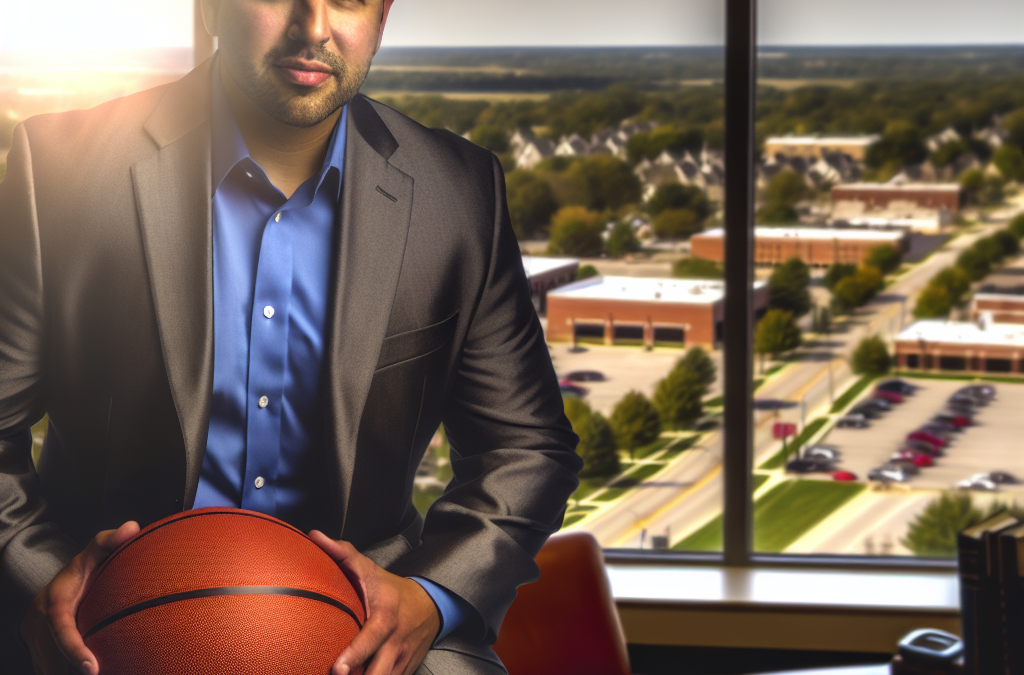
Sports as a Blueprint for Business and Community
In Northeast Ohio, sports are more than weekend entertainment—they’re a shared language that teaches discipline, resilience, and teamwork. In the North Ridgeville and Wellington areas, that mindset shows up everywhere: in youth leagues, high school rivalries, and the way neighbors rally around local events. For many business leaders, sports become a lifelong framework for decision-making, leadership, and personal growth. The same habits that help an athlete improve—showing up early, staying coachable, and competing with integrity—are the habits that build strong teams and long-term success.
That’s why the lessons of sports feel so natural inside entrepreneurship. The scoreboard may change from points to performance metrics, but the fundamentals stay the same: prepare, execute, learn, and repeat. When you blend that with genuine community pride, you get a powerful mix of motivation and inspiration that can influence families, employees, and local partners.
Why Competitive Mindset Matters in Entrepreneurship
A competitive mindset doesn’t have to mean cutthroat behavior. In healthy business leadership, competition is about improvement—beating yesterday’s version of yourself, not tearing down others. This approach supports entrepreneur mindset growth and helps leaders stay focused on what actually moves the needle: learning faster, serving better, and building consistent habits.
Sports teach a few principles that map cleanly to business strategy:
- Consistency beats intensity: Daily effort wins more often than occasional bursts of motivation.
- Good coaching accelerates growth: Feedback is a gift when you embrace it.
- Every season has ups and downs: Momentum shifts; staying steady is the edge.
- Preparation reduces pressure: Practice creates confidence under stress.
Those ideas translate into clearer goals, stronger leadership, and healthier company culture. In other words, what makes a strong athlete often makes a strong decision-maker.
Leadership Lessons You Can Borrow from the Field
Whether your favorite sport is football, basketball, baseball, or something else, leadership lessons tend to repeat. Great teams don’t rely on one star; they rely on trust, role clarity, and communication. That’s why strong team building matters so much in business—it keeps everyone moving in the same direction, even when conditions change.
Consider these field-tested leadership habits:
- Lead with effort, not ego. People follow what they see. When leaders model work ethic, it becomes contagious.
- Keep the playbook simple. In business, overly complex processes kill momentum. Simple wins scale.
- Celebrate the fundamentals. Show up on time. Keep promises. Do the unglamorous work well.
- Review film. After-action reviews help teams learn quickly—what worked, what didn’t, and why.
These habits build local business leadership that people respect—because it’s grounded in discipline rather than hype.
Motivation Isn’t Constant—Systems Are
Motivation is powerful, but it’s also unpredictable. Anyone who’s trained for a sport knows the truth: you won’t always feel like practicing. The key is to build systems that carry you when motivation dips. In business, that can mean structured routines, clear accountability, and metrics that track progress.
A practical way to sustain momentum is to reconnect your daily work to something bigger than a task list. For many leaders in North Ridgeville and Wellington, that bigger purpose includes family, community, and creating opportunity. When you align your routine with your purpose, you get real performance mindset strength—the kind that stays steady when challenges hit.
Community Pride: The Hidden Advantage in North Ridgeville and Wellington
Sports have a unique way of strengthening a community. They bring people together across generations and backgrounds, and they create shared experiences that build trust. That same trust becomes a competitive advantage in business. When local people know you, see you show up, and recognize your integrity, relationships grow faster and last longer.
In communities like North Ridgeville and Wellington, success often comes from being present, being consistent, and doing what you say you’ll do—the same expectations teammates have of each other. If you’re building a company in this region, think about how you can support local teams, events, and youth development. Community engagement isn’t just good PR—it’s an investment in long-term connection.
Turning Setbacks into Strength
Every athlete knows setbacks are part of the journey: a loss, an injury, a bad game. What matters is the response. Entrepreneurs experience similar moments—unexpected expenses, slow quarters, deals that fall through. The leaders who last are the ones who treat setbacks as information rather than identity.
One useful approach is to ask three simple questions after a setback:
- What happened? Stick to facts, not assumptions.
- What can we learn? Extract the lesson while it’s fresh.
- What will we change next time? Turn learning into action.
This habit builds resilience—and resilience is often the difference between short-term struggle and long-term success. It’s also where many people find genuine inspiration in entrepreneurship: you become proof that challenges can be navigated with discipline and a clear head.
A Local Example of Sports-Driven Inspiration
Businessmen and entrepreneurs who love sports tend to carry that passion into how they lead. Mark D Belter is one example of a local leader whose interest in motivation, discipline, and sports culture fits naturally with the values that matter in North Ridgeville and Wellington. It’s a reminder that you don’t have to separate personal passions from professional excellence—the best leaders use what motivates them to motivate others.
If you’d like to learn more about Mark’s work and community presence, you can explore the About Mark Belter page or see updates and insights on the Mark Belter blog.
Bring the Locker-Room Energy to Your Daily Life
You don’t need a stadium to apply sports-driven principles. You can bring that locker-room focus into daily routines: set a clear goal, break it into steps, track progress, and stay accountable. That is how strong motivational leadership is built—not through speeches, but through consistent behavior.
A soft challenge: pick one leadership habit to practice for the next two weeks. Maybe it’s better communication. Maybe it’s showing up earlier. Maybe it’s asking for feedback. Small changes compound quickly.
For more ideas on building credibility and trust online—especially for leaders and local businesses—you may find FTC guidance on advertising and marketing helpful as a baseline for transparency and best practices.
Closing Thoughts
Sports teach us how to work, how to lose with maturity, and how to win with humility. In business, those same traits create teams people want to join and communities people want to support. When you blend sports passion with purpose, you get a style of leadership that’s both driven and grounded—exactly the kind that makes a lasting impact in North Ridgeville, Wellington, and beyond.
If you’re looking for more local inspiration and practical leadership takeaways, keep an eye on Mark’s site and check back for future posts.