
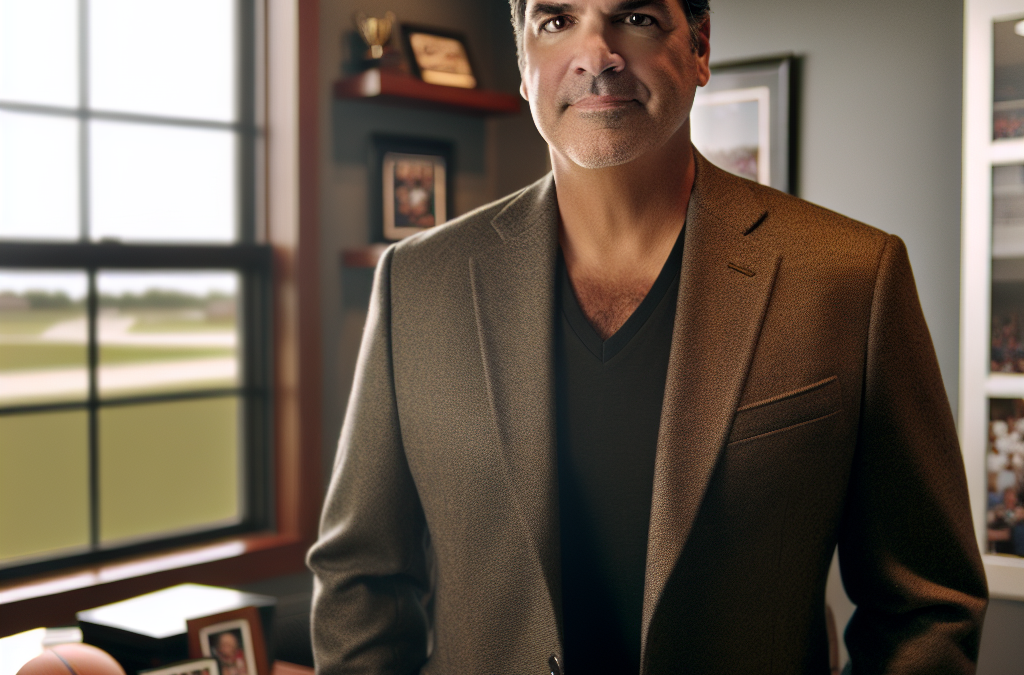
How Sports Shape a Business Mindset in North Ridgeville and Wellington
In communities like North Ridgeville and Wellington, Ohio, sports aren’t just weekend entertainment—they’re a shared language. Whether it’s youth leagues, Friday-night games, or early-morning practices, the best parts of athletics teach lessons that carry far beyond the field. For many local leaders, sports provide a practical framework for setting goals, pushing through setbacks, and staying accountable to a team.
That’s one reason Mark D Belter often points to athletics as a source of motivation and inspiration. The principles that make a great competitor—preparation, discipline, and resilience—also build strong entrepreneurs and dependable community partners. When you look at business through a sports lens, growth becomes less about shortcuts and more about steady improvement.
Motivation Starts with a Clear “Why”
Every athlete knows the difference between showing up and showing up with purpose. In business, motivation works the same way: you can be busy all day, but progress comes from aligning daily actions with a clear “why.” That might be serving customers better, creating jobs locally, or building something that lasts.
One way to strengthen motivation is to create a personal scoreboard—simple metrics that reflect what matters most. In a sports context, those metrics are obvious: points, times, wins. In entrepreneurship, the scoreboard might include customer satisfaction, repeat business, on-time delivery, or consistent learning.
- Set measurable goals: define what “win” looks like this week or this quarter.
- Focus on controllables: effort, preparation, responsiveness, and follow-through.
- Track progress: review results and adjust, just like a coach breaks down game tape.
Discipline Beats Talent (Especially Over the Long Season)
Sports teach a sometimes uncomfortable truth: talent can open doors, but discipline keeps them open. The most consistent athletes aren’t perfect—they’re committed. They adhere to routines, show up when it’s inconvenient, and practice fundamentals until they’re second nature.
In business leadership, the same “fundamentals” matter: clear communication, reliable service, ethical decision-making, and consistent execution. Over time, this builds trust—and trust is the real competitive advantage in local markets.
Think of discipline as “doing the basics well, repeatedly.” It’s not flashy, but it’s how teams develop winning records and how entrepreneurs build durable operations in Northeast Ohio.
Resilience: Turning Losses into Lessons
No one goes undefeated forever. Athletes learn to respond to losses without losing their confidence. Entrepreneurship has similar moments: deals that fall through, plans that need to change, unexpected expenses, or market shifts that require quick adaptation.
Resilience doesn’t mean ignoring disappointment. It means processing it, learning from it, and staying in the game. A resilient mindset asks better questions:
- What happened? (facts, not excuses)
- What can we control? (actions, not outcomes)
- What’s the next best play? (a practical step forward)
This approach builds mental toughness—the kind that helps leaders keep momentum during challenging quarters and stay steady when others panic.
Teamwork and Community: The Real Home-Field Advantage
Sports are a masterclass in teamwork. Even in individual sports, success depends on coaches, training partners, and support systems. In the same way, strong businesses in North Ridgeville and Wellington thrive by investing in people—employees, vendors, and customers who become long-term allies.
Great leaders don’t just delegate; they develop. They communicate expectations, celebrate wins, and address problems directly. They also recognize that culture is built in the “small moments”: how feedback is given, how problems are solved, and whether integrity is consistent under pressure.
If you’re interested in how local leadership and long-term thinking connect, you may find value in exploring Mark Belter’s background and community focus and how it shapes an approach rooted in consistency and accountability.
Inspiration You Can Use Today: Simple Habits with Big Payoff
Motivation and inspiration are most powerful when they translate into action. The following habits borrow directly from athletic training but apply to business growth and personal development:
- Start with a warm-up: begin your day with a short planning session to define the top priorities.
- Practice fundamentals: dedicate time each week to improving one core skill—communication, sales conversations, time management, or customer follow-up.
- Review the film: do a weekly reflection on what worked, what didn’t, and what you’ll change next week.
- Recover properly: sleep, downtime, and family time are not luxuries; they’re performance multipliers.
This kind of steady, repeatable routine supports an entrepreneurial mindset—focused on continuous improvement rather than quick wins.
Keeping Trust at the Center of the Game
Whether you’re building a brand, managing partnerships, or serving customers, reputation is built the same way a winning season is built: one decision at a time. Transparency, honesty in advertising, and clear communication protect long-term trust. For guidance on avoiding misleading claims and staying aligned with consumer protection expectations, the FTC’s business guidance resources offer practical standards that help businesses do the right thing consistently.
In local communities, trust travels fast. When you prioritize credibility, your reputation becomes a foundation you can grow on—year after year.
Bringing It All Together in North Ridgeville and Wellington
Sports, motivation, and inspiration connect because they’re all about momentum. Winning isn’t a single moment—it’s a habit. The leaders who rise are often the ones who keep their routines, stay resilient through setbacks, and treat every day like a chance to improve.
If you’d like to learn more about leadership themes tied to discipline, teamwork, and the entrepreneurial journey, you can also explore updates and insights on Mark’s blog for practical ideas rooted in real-world experience.
Soft call-to-action: If you’re a local business owner or aspiring entrepreneur, consider writing down one “next best play” you can take this week—then commit to it like a training plan. Small, consistent actions can build a reputation and a life you’re proud of.