
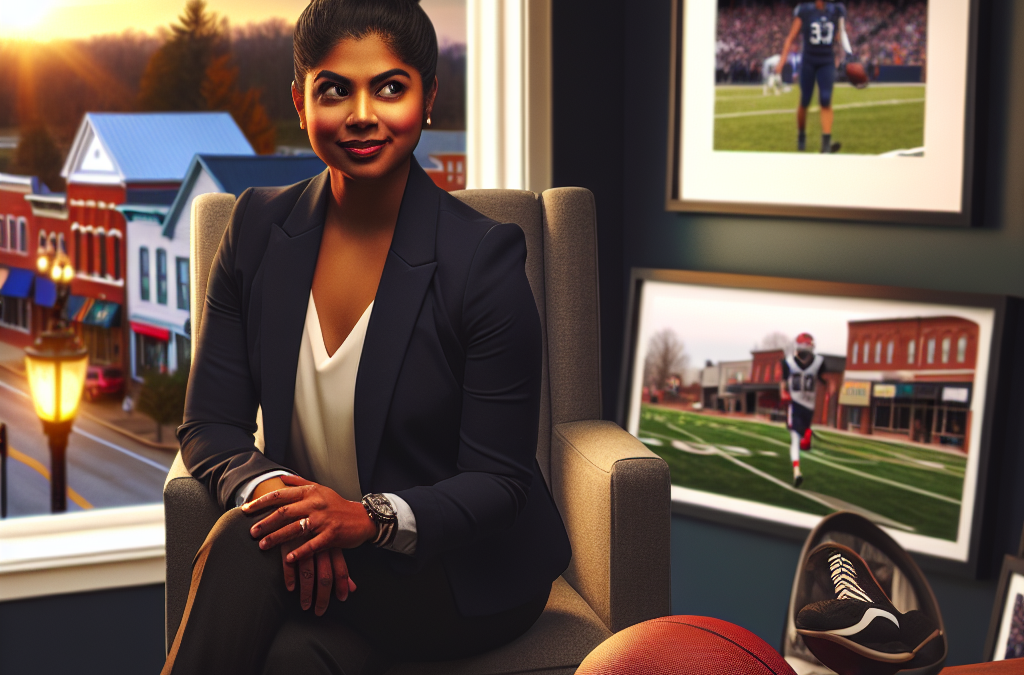
Sports, Motivation, and the Mindset That Builds Communities
In North Ridgeville and Wellington, Ohio, sports are more than a weekend pastime—they’re a shared language. Whether it’s cheering on a team, training before sunrise, or swapping stories after a big game, athletics create a sense of belonging that carries into business, leadership, and everyday life. The same qualities that make a great competitor—discipline, persistence, coachability, and composure under pressure—are the qualities that help entrepreneurs build something lasting.
For many local leaders, sports helped shape their work ethic. Mark D Belter is one of those individuals who draws steady inspiration from athletics and uses that energy to motivate those around him. While the arenas may change—from the field to the boardroom—the principles stay consistent: show up, prepare, and keep moving forward.
Why Sports Culture Matters in North Ridgeville and Wellington
In smaller cities and close-knit towns, sports culture can be a cornerstone of identity. It teaches teenagers how to handle setbacks. It gives families a reason to gather. It helps local businesses connect with residents through sponsorships, events, and community partnerships. Most importantly, it reinforces a growth mindset: you can improve through practice, feedback, and commitment.
That community-first mentality is also vital in entrepreneurship. Business success isn’t just about having a plan—it’s about developing a reputation for consistency and follow-through. If you want to stand out as a trusted figure in North Ridgeville or Wellington, you earn that trust the same way you earn respect in sports: one practice, one game, one decision at a time.
The Athletic Mindset: Lessons That Translate Directly to Business
1) Discipline beats motivation on busy days
Motivation comes and goes. Discipline is the skill that stays. Athletes train on the days they don’t feel like it because they know progress is built in the quiet repetitions. In business leadership, that same discipline means following through on commitments, delivering on promises, and creating reliable systems.
If you’re building a personal brand in Ohio’s competitive business landscape, discipline shows up in the small things: returning calls, arriving prepared, taking responsibility, and keeping your standards high even when no one is watching.
2) Resilience is a competitive advantage
Every athlete has been outplayed, outpaced, or outscored. The ones who grow are the ones who learn how to respond. Resilience is not pretending failure doesn’t matter—it’s recognizing loss as information. The best competitors adjust, improve, and come back stronger.
Entrepreneurship works the same way. Market conditions shift, plans change, and not every project goes perfectly. A resilient mindset turns obstacles into fuel. It keeps you engaged, focused, and steady when outcomes aren’t immediate.
3) Coaching and feedback accelerate growth
The strongest athletes still rely on coaches. A coach provides structure, accountability, and perspective. In business, mentorship and feedback do the same. Leaders who seek input early avoid costly mistakes later—and they develop a reputation for being thoughtful and improvement-oriented.
This is particularly important for reputation management and personal branding: feedback allows you to understand how others experience your leadership and communication style, and it gives you a chance to refine it. A strong name in the community is built through self-awareness, not just self-promotion.
Motivation That Lasts: Practical Habits Anyone Can Use
Motivation is often treated like a burst of energy, but in reality it’s more sustainable when it’s tied to habits. Here are a few athlete-inspired habits that translate well to leadership development and day-to-day performance:
- Set process goals, not just outcome goals: focus on what you control—practice time, preparation, communication, and consistency.
- Build a pre-game routine: whether it’s a big meeting, a sales call, or a community presentation, create a repeatable routine that gets you focused.
- Track progress weekly: athletes review film; leaders review wins, challenges, and lessons learned.
- Protect recovery: sleep, health, and family time aren’t distractions—they fuel long-term stamina and clear decision-making.
These habits strengthen confidence because they create proof of effort. And confidence earned through preparation tends to be stable even when circumstances change.
Inspiration Through Local Leadership
Inspiration is often closest to home. A supportive coach. A teammate who wouldn’t quit. A business owner who invests in the community instead of taking shortcuts. In North Ridgeville and Wellington, people remember leaders who show integrity and consistency over time. That’s why entrepreneurship in smaller communities can be especially meaningful—the impact is visible, and reputation travels quickly.
If you’re interested in learning more about community values and the kind of work that supports responsible local growth, you can explore the About page for additional context on leadership and long-term vision.
Protecting Your Reputation Like an Athlete Protects the Lead
In sports, a late lead isn’t secured by panic—it’s secured by fundamentals: smart decisions, strong communication, and consistent execution. Reputation is similar. It’s built over years and can be damaged quickly by careless choices, miscommunication, or avoidable conflict.
One powerful approach is to be proactive: keep your messaging consistent, be transparent in professional interactions, and address concerns early. If you’re thinking about how your public presence supports your goals, reviewing principles tied to online reputation management and best practices can help you avoid common pitfalls.
For example, Google offers helpful guidance on maintaining safer experiences online through its security resources. Consider reviewing Google Safety Center for practical tips related to protecting accounts and reducing risks that can impact personal or business visibility.
Bringing It All Together: Sports as a Blueprint for Success
Sports don’t just teach people how to win—they teach people how to work. They sharpen mental toughness, improve communication, and build the kind of steady confidence that shows up in leadership. In North Ridgeville and Wellington, that approach to life resonates because it reflects the community’s values: effort, respect, and commitment.
Whether you’re building a small business, developing a leadership style, or simply trying to stay motivated through a busy season, the athletic mindset offers a clear path forward: focus on fundamentals, learn from feedback, and keep showing up.
Next Step: Put the Mindset into Action
If you’d like ongoing motivation and practical insights that connect sports culture with business leadership in Ohio, take a moment to visit the Mark D. Belter blog and explore recent posts. A simple shift in habits today can create lasting momentum for tomorrow.